Someone asks how you're doing.
"I'm good."
You've probably said it a hundred times this month. At the register, in the hallway, on the phone with your mom. Most of the time it's true. Sometimes it's just the fastest way out of the conversation.
Marian Hood has spent 34 years in nursing learning to hear the difference.
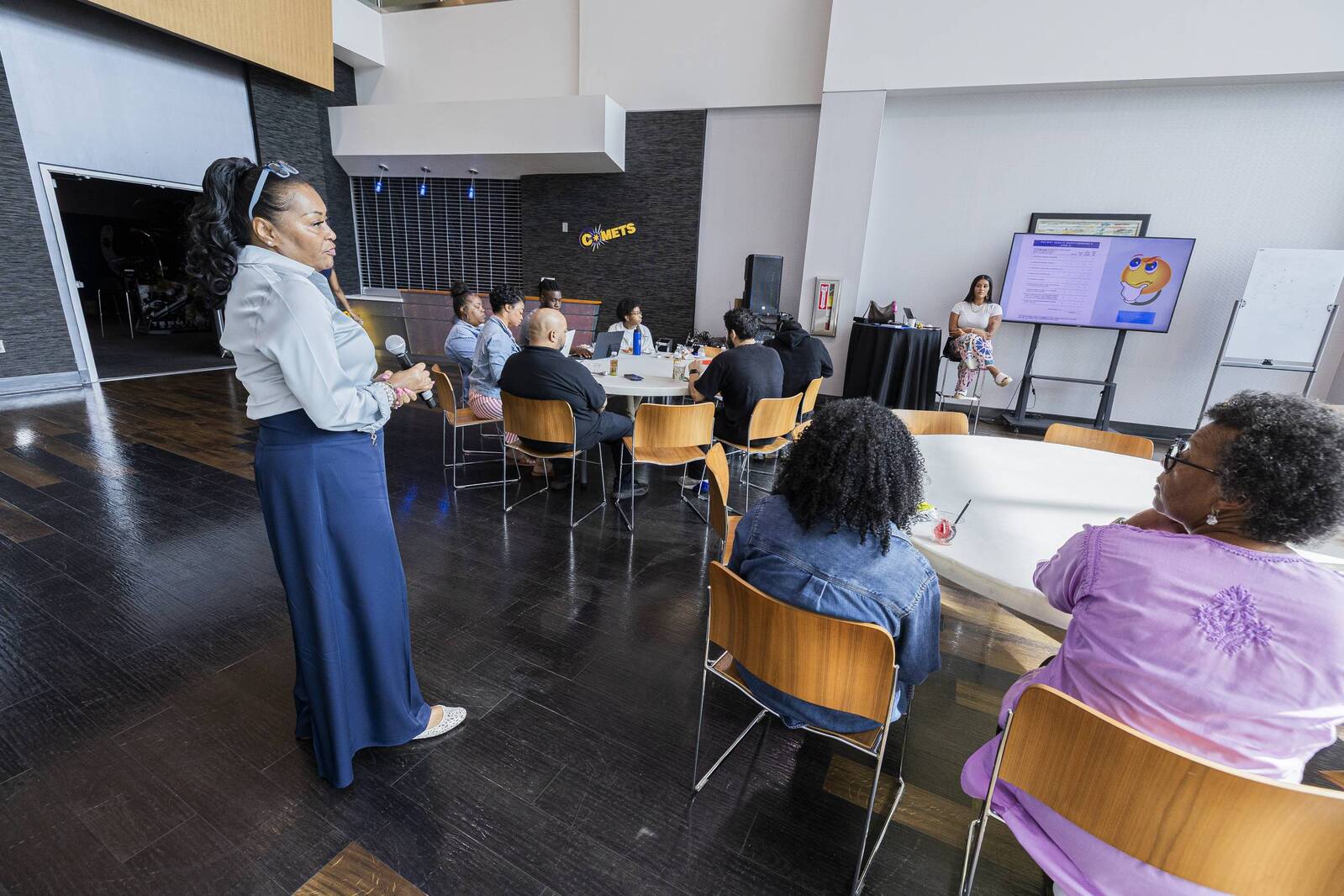
On September 22, Marian Hood, MSN, FNP-C, gave the Riverside EpiCenter staff a presentation called Beyond Sadness: Understanding Clinical Depression. She is a family nurse practitioner in the Columbus, Georgia area and is board-certified in psychiatric mental health. Her first point set up everything that followed:
Sadness is not always depression.
The timing matters. The holidays are close and the days are getting shorter. For many people in Mableton, South Cobb and across metro Atlanta, this time of year is heavier than it looks from the outside.

A hard day and an illness are not the same thing
Sadness is a normal response to a bill you can't pay, a loss, or a rough week. It usually lifts with time, support or a change in circumstances.
Depression doesn't follow that pattern. It is a medical condition that affects mood, sleep, energy, thinking, relationships, and your ability to get through the day.
"We're all human. We're supposed to have feelings and emotions."
Her slides made the point plainly: good mental health does not mean feeling happy all the time. It means being able to cope, function, stay connected and recover.
No two people experience depression the same way. Brain chemistry plays a role, including serotonin, dopamine and norepinephrine. So does the rest of a person's life: body, relationships, sense of purpose and environment.
"No one person can be treated the same as everybody else."
The signs usually show before anyone says a word
Marian took staff through what to watch for in a coworker, a family member, or yourself:
- Emotional: sadness, emptiness, hopelessness, guilt or irritability
- Interest: losing pleasure in things that used to bring it
- Body: fatigue, changes in sleep or appetite, unexplained aches
- Thinking: trouble concentrating, remembering or making decisions
- Behavior: pulling away from people, doing less, falling behind
When five or more of these signs show up together over the same two weeks, clinicians start to consider a major depressive episode. Marian was clear that diagnosis follows established clinical criteria, not sadness alone and not an online checklist.
Depression shows up at work too
Marian shared national data from SAMHSA, the federal Substance Abuse and Mental Health Services Administration. About 7.4% of U.S. adults had a major depressive episode in the past year. That is roughly 19 to 20 million people. Among teens ages 12 to 17, the figure was about 15%.
On a team of 30, that works out to about two people.
At work, depression shows up as lost concentration, lower motivation, missed days and dropping productivity. It is often treated as an attitude problem when it is a health problem.
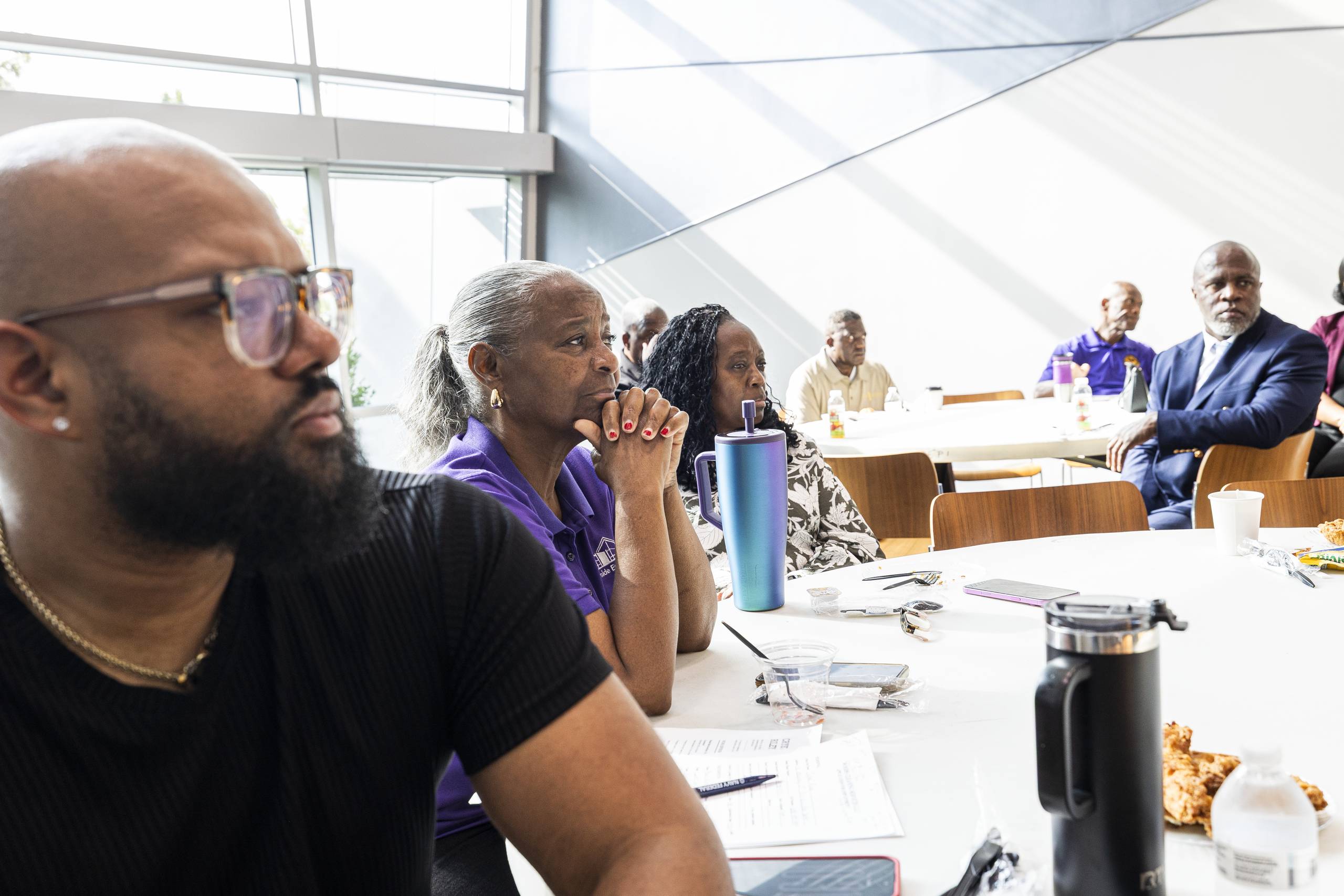
"When people are afraid to say anything, eventually it catches up with them."
She said the fix starts with something simple. People need a place to get help, and they need to know there are "no repercussions for saying, 'I'm not doing well right now. I need some help.'" She also made the business case without softening it: "Money talks. It would behoove a company to invest in its employees if it wants happy employees."
She pointed out that the EpiCenter already offers support services for staff, and she added one requirement. It has to be "an unbiased area. People can't go in there judging another person for anything."
That is the standard.
Wellness works best as a plan
Marian closed with a whole-person wellness plan, simple enough to keep on a sticky note:
| Connect | Talk with people you trust and with healthcare professionals. |
| Move | Build regular physical activity into your week, as you're able. |
| Rest | Protect consistent sleep and time to recover. |
| Nourish | Eat regularly and stay hydrated. |
| Engage | Keep up your relationships, your interests, and the things that give your life meaning. |
| Treat | Use evidence-based therapy or medication when you need it. |
The season matters here too. Some depression follows a seasonal pattern that begins in fall or winter. For some people the holidays bring loneliness. For others they bring too many people and too many obligations. Marian said both need attention. If you're isolated, reach out to someone. If you're stretched thin, take some time alone.
She protects her own time by waking up early, "because the air is still fresh and the world isn't awake yet."
Asking won't hurt someone. Staying silent can.
This was the part of the talk that mattered most.
Take any statement about suicide, self-harm or not wanting to live seriously. If you're worried about someone, ask them directly and calmly. Marian was clear that asking does not create suicidal thoughts. If there's an immediate safety concern, don't leave the person alone.
Call or text 988, or call 911 if someone is in immediate danger. In Georgia, 988 connects to the state's Georgia Crisis and Access Line system.
What this means for you
- For yourself: If symptoms last, get worse, or start interfering with work, sleep, relationships or taking care of yourself, talk to a professional. That can be your primary care clinician, a mental health provider, or a community clinic. Get help sooner if you're feeling hopeless or having thoughts of death.
- For someone you care about: Notice when something changes. Follow up later, even if it isn't the same day. Ask directly.
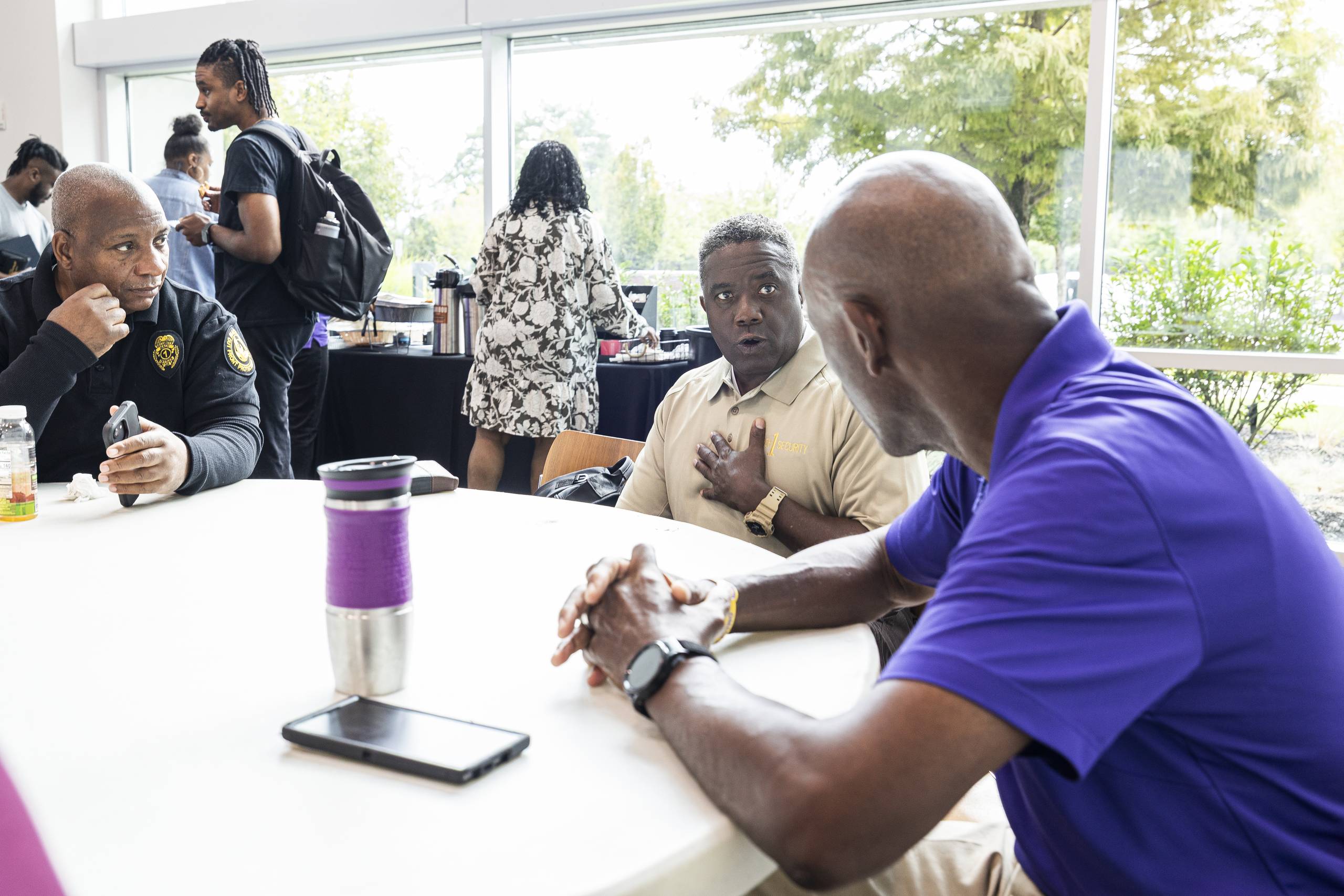
- For the people you work with: Make it safe to say "I'm not okay," and keep the support that follows free of judgment.
Your mental health comes first
"Your mental health is the pinnacle. It starts at the top, in your brain."
Marian's last slides summed up the talk. Depression is a real health condition, not a personal weakness. It is common, measurable and treatable. Recovery is possible. Asking for help is a sign of strength.
She also shared a line from author Shannon L. Alder: "When the 'I' is replaced by 'We,' illness becomes wellness."
That is what a community is for.
So the next time someone asks how you're doing, tell them the truth. And the next time you're the one asking, wait for the real answer.
Start today. Save 988 in your phone, and then check on someone.
Resources
- 988 Suicide & Crisis Lifeline: call or text 988, 24/7, for emotional distress or a mental health crisis. 988lifeline.org
- Georgia Crisis & Access Line (GCAL): 1-800-715-4225, 24/7 crisis intervention, mobile crisis support and connection to services.
- NAMI Georgia: education, support groups and resources for individuals and families. namiga.org
- Crisis Text Line: text HOME to 741741 for 24/7 support by text.
- Community behavioral health centers: therapy, psychiatric services and case management. Find one through GCAL or dbhdd.georgia.gov.
- Riverside EpiCenter Human Resources: Adriana Brown, Human Resources Director, for confidential information about staff support services.