Most venue searches start with two basic questions: Does the space fit our guest count, and does it fit our budget? Both are important, but neither one by itself determines whether an event is actually successful.
A good venue should make the planning process easier and create a better experience for your guests. That normally comes down to five things: location, flexibility, technology and production, amenities, and an experienced team that knows how to support your event from start to finish.
Before you sign a contract for an Atlanta-area event, here are five areas you should really look at.
1. Location and accessibility
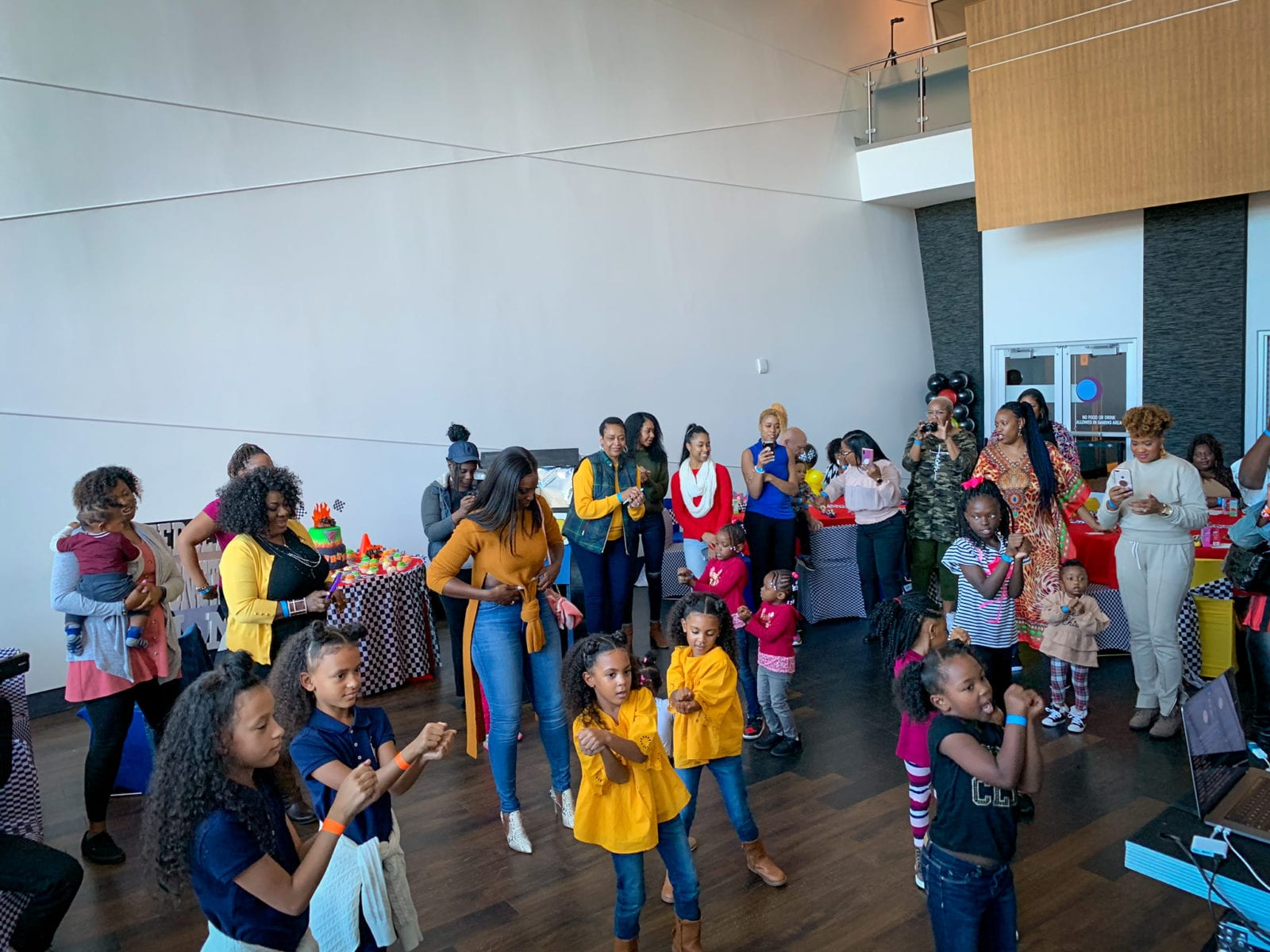
Location matters more than people sometimes realize. If a venue is difficult to get to, parking is confusing, or guests have trouble figuring out where to enter, it can impact the experience before the event even starts.
Think about how close the venue is to major highways like I-20, I-285, and I-75, especially if guests are coming from different parts of metro Atlanta. If your event is during the week, you should also think about what that drive looks like during rush hour.
Ask about total on-site parking capacity, not just whether parking is available. Make sure the entrances, restrooms, and main event spaces are ADA accessible. If possible, walk the same route your guests will take from the parking lot to check-in and into the event space.
For larger events, also ask how the venue handles guest arrival, departure, directional signage, and traffic flow. A smooth arrival is your guest's first impression of the event, so it should be part of the planning process.
2. Capacity and flexibility
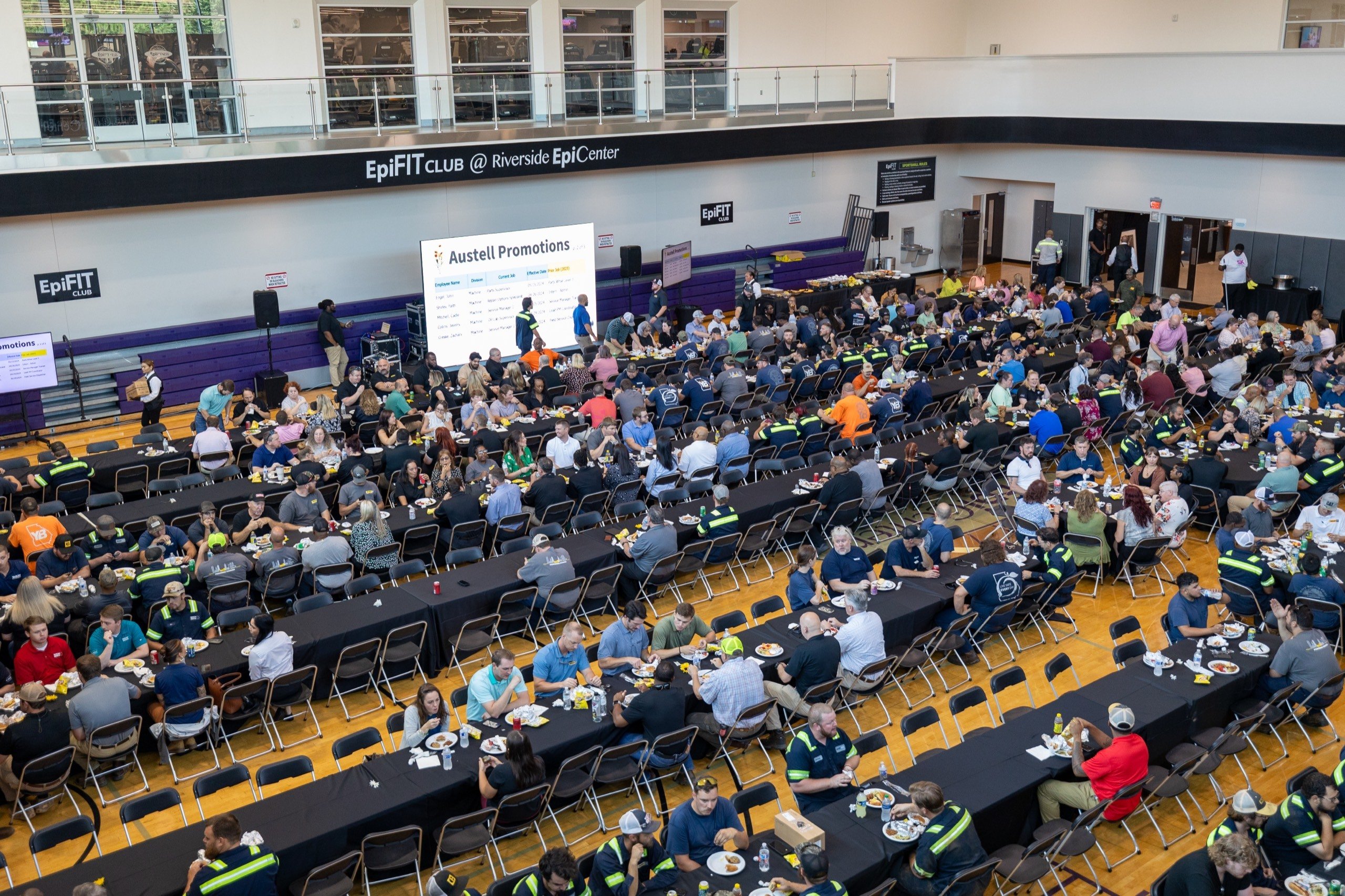
A room may technically hold your guest count and still not be the right room for your event.
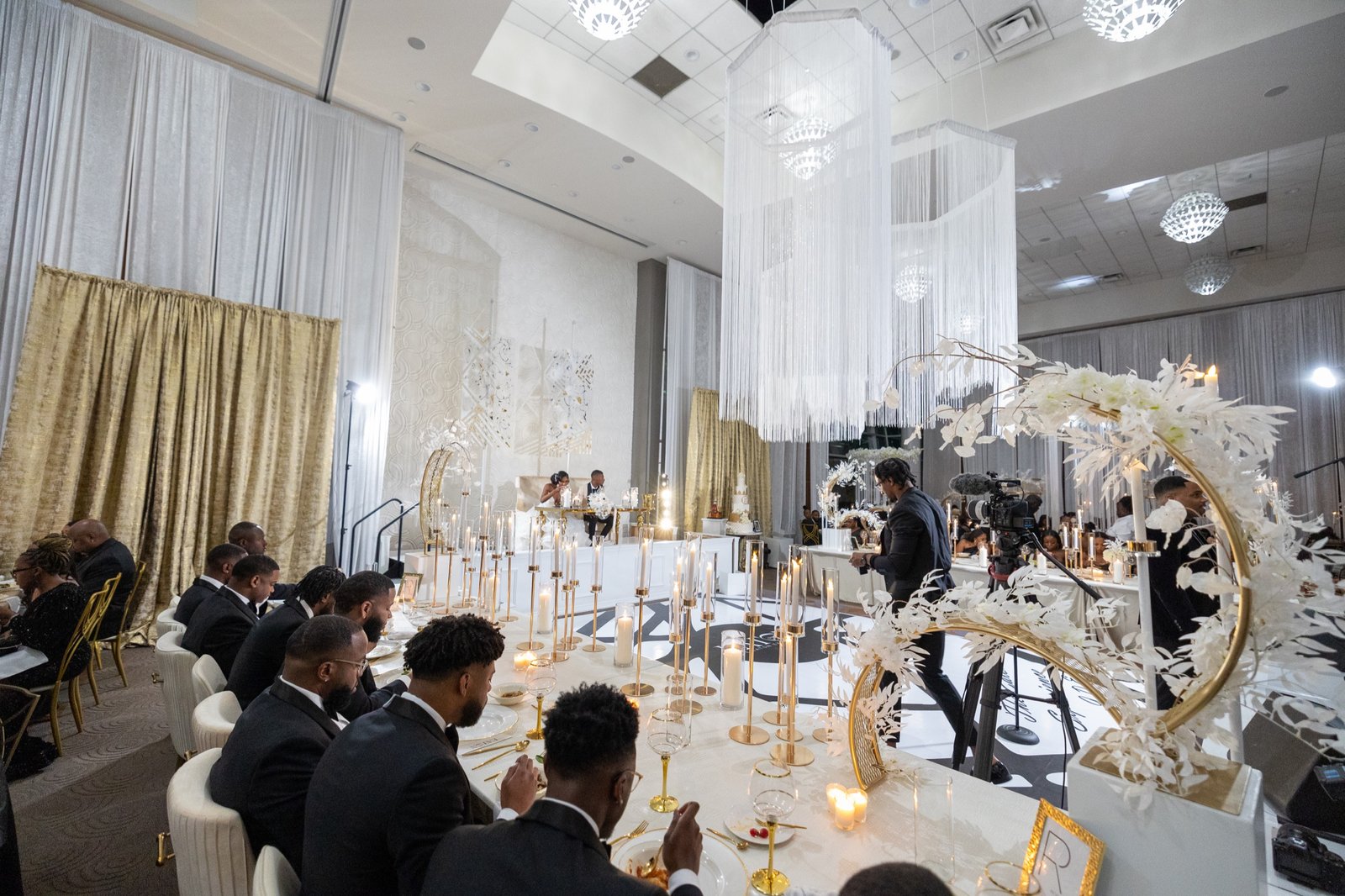
Two hundred guests sitting at banquet rounds is completely different from two hundred people in theatre-style seating. It is also different from having two hundred people moving between a reception area, stage, sponsor tables, food service, and a dance floor.
That is why you should ask how the space works for the setup you actually need.
Think about banquet seating, classroom or boardroom setups, theatre-style presentations, receptions, vendor and sponsor tables, stages, breakout sessions, networking areas, and entertainment or dance floor space.
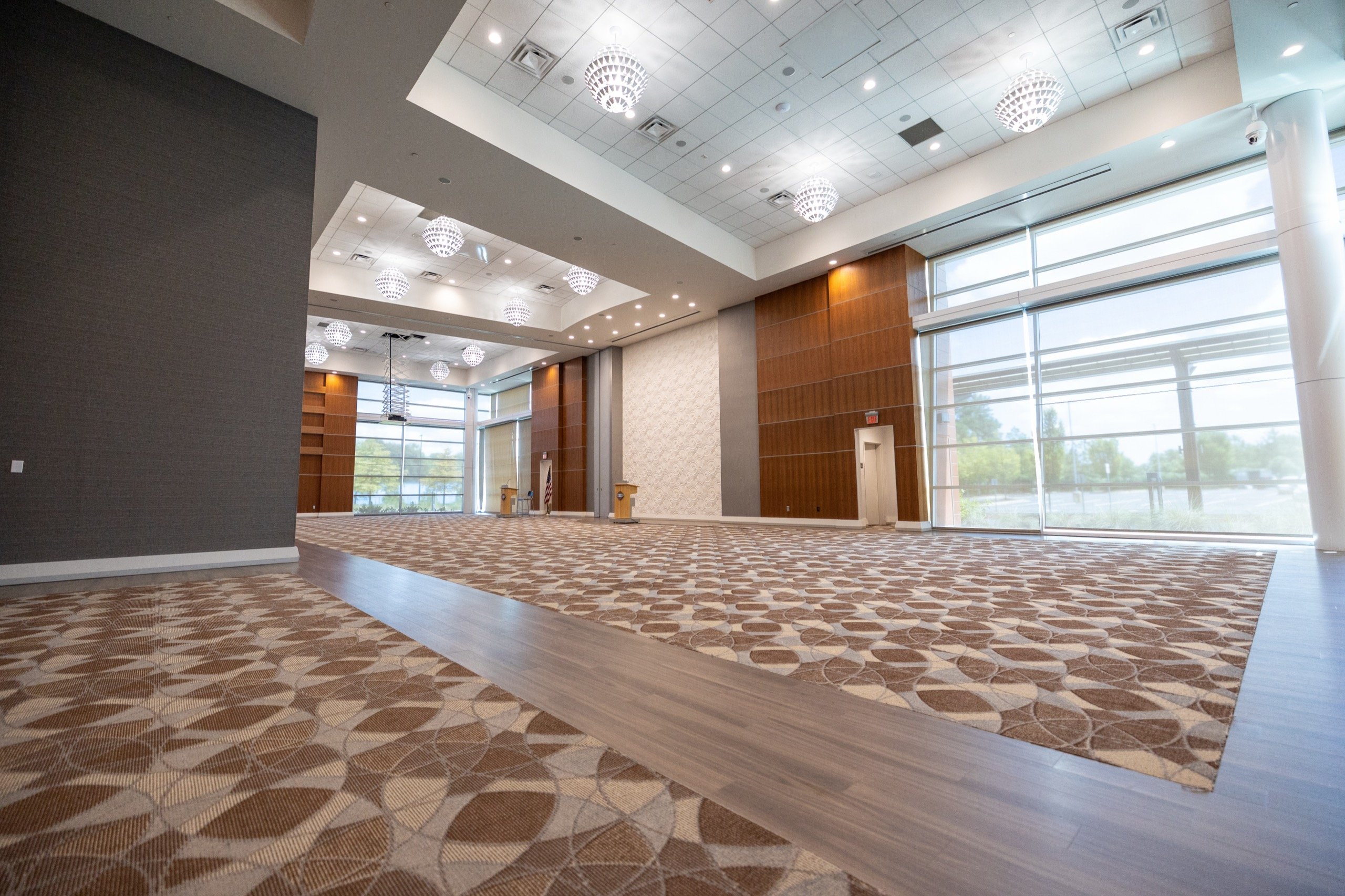
You should also look at the room itself. Ask about ceiling height, columns, sightlines, entrances, available wall configurations, and how the space changes when it is opened up or divided into smaller areas.
A flexible venue should be able to adapt to your event instead of forcing your entire event to adapt to the room. That normally becomes pretty clear during the first walkthrough.
3. Technology and production capabilities
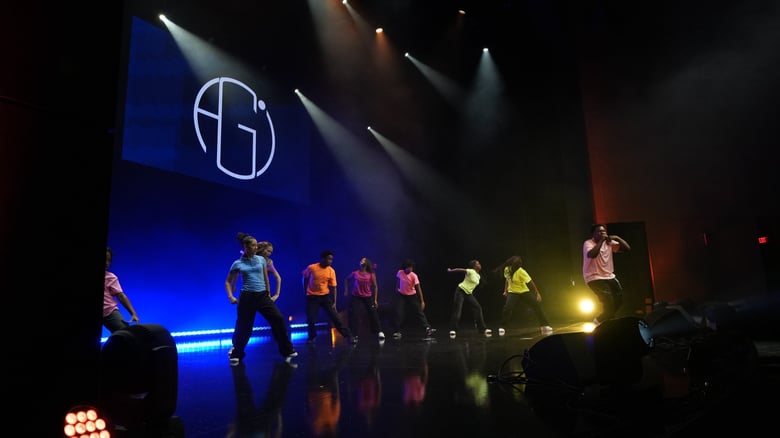
Technology and production can easily become one of the biggest parts of an event.
For a conference, the microphones and presentation screens matter. For a holiday party, it may be the DJ, sound system, and lighting. For a performance, production can become the center of the entire event. For an awards program, something as simple as a video not playing correctly can throw off the whole run of show.
Ask what sound system is available and whether it is built for spoken word, music, or both. Ask how many microphones are available and whether the venue offers wireless microphones, handhelds, or lavaliers.
You should also understand what screens, projectors, displays, lighting, internet, livestreaming, and recording options are available.
Just as important, ask who will actually be there to operate and support the equipment during your event.
Understanding the venue's production capabilities early helps prevent two common problems: finding out later that AV costs were not included in the original proposal, or building a run of show around something the room was never designed to do. The more you understand upfront, the easier it is to build the right event.
4. Amenities and guest experience
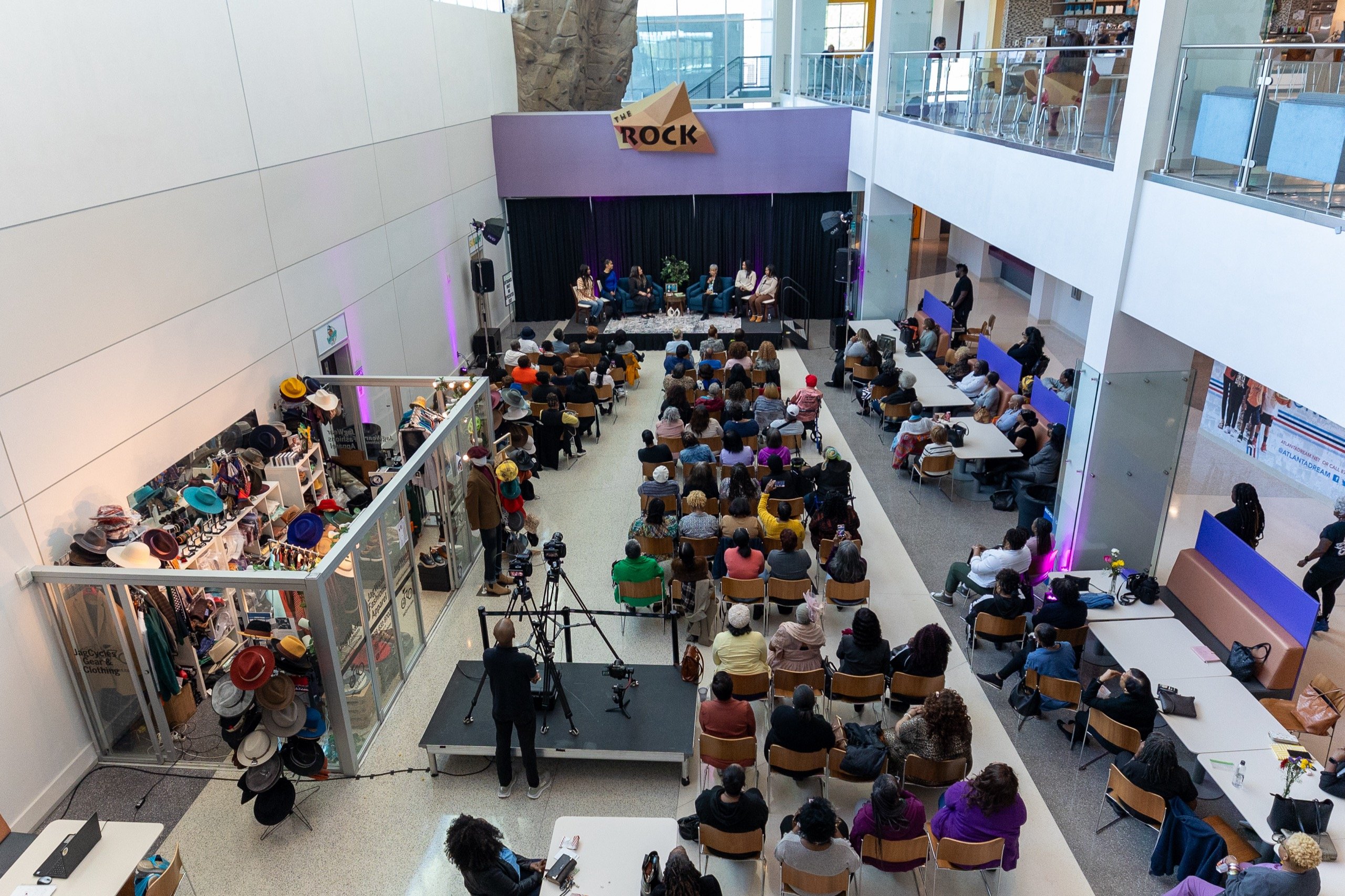
Guests may not remember every detail of the room, but they will normally remember how the event felt.
That is where amenities and the overall guest experience become important.
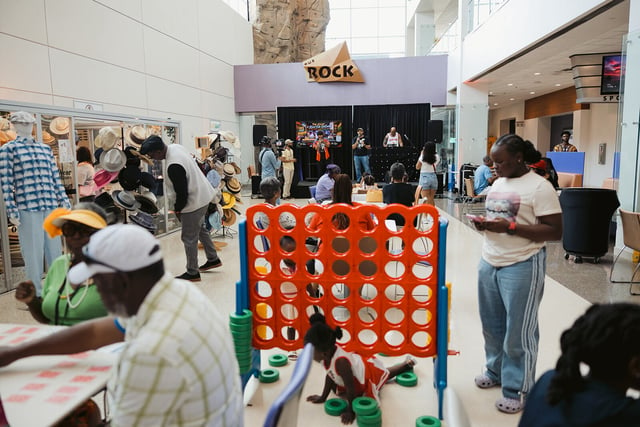
Think beyond the main event space. Look at food and beverage options, lounge and breakout areas, entertainment, recreation, family-friendly spaces, and anything else that may make sense for your audience.
Also think about the parts of the event between the main moments.
What are guests doing during the fifteen minutes before the program starts? Where do they go between dinner and entertainment? Is there somewhere comfortable to network or step away from the main room? What does the end of the night look like? Those transitions matter.
Another advantage of choosing a venue with multiple services and amenities under one roof is that your team may not have to coordinate as many outside vendors. Every vendor you eliminate is one less contract, insurance requirement, load-in schedule, payment, and day-of issue your planning team has to manage. That can save both time and stress.
5. Experienced event support
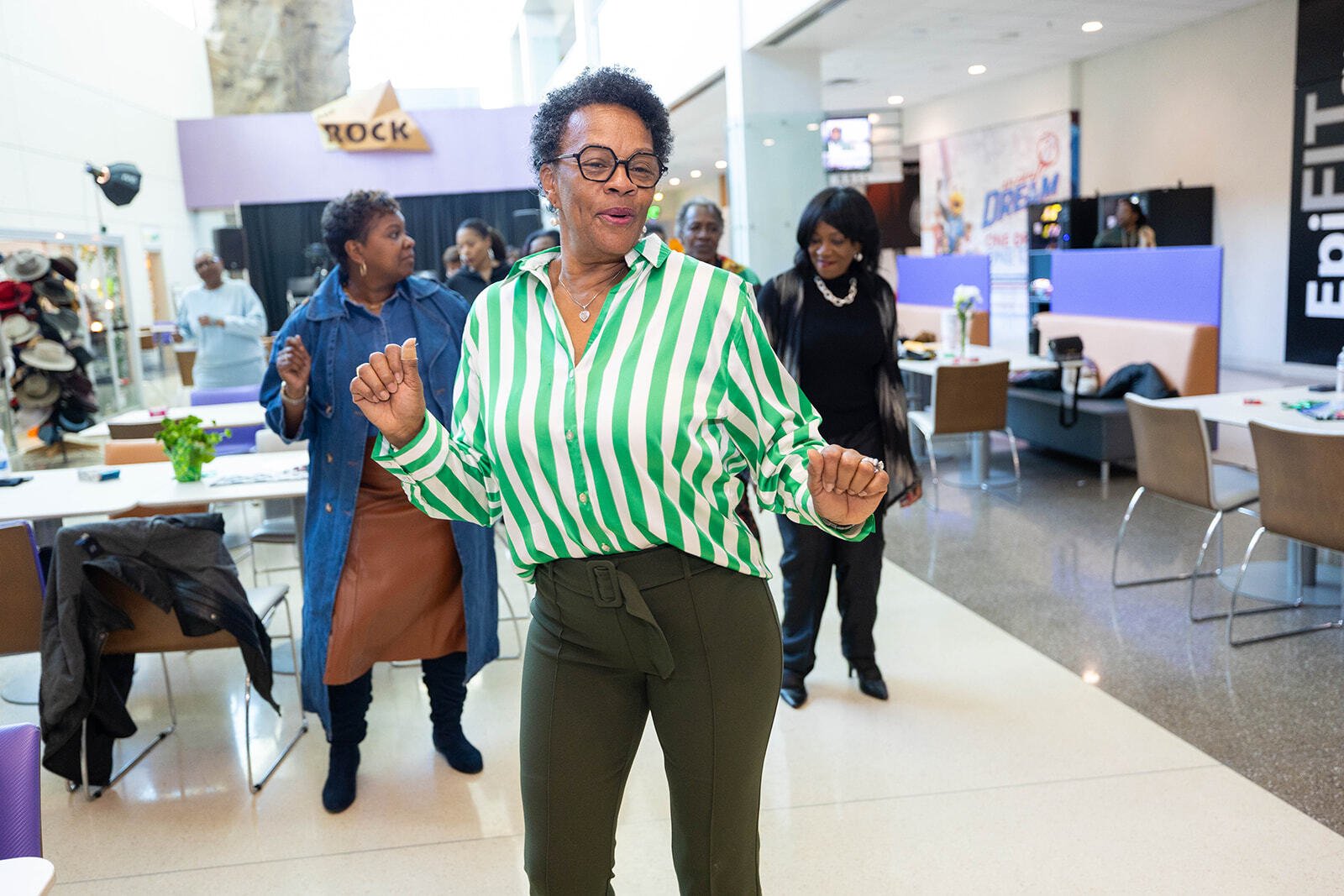
The venue team can be just as important as the venue itself. There is a major difference between renting a room and working with a team that understands what it takes to execute an event. Ask who your main point of contact will be from the booking process through event day. Ask who will be available during the event if something changes or an issue comes up.
You should also ask how the venue supports vendor coordination, load-in and load-out, event timelines, run of show, room changes, and day-of troubleshooting.
One of the best questions you can ask is what the team has learned from hosting events similar to yours.
An experienced venue team should be able to tell you what works, what does not, and what they would recommend based on how the space actually performs. Those conversations can help you catch things you may not have thought about yet.
Find the right space at Riverside EpiCenter
Riverside EpiCenter offers flexible event spaces for corporate meetings and conferences, holiday parties and celebrations, performances and productions, community events, fundraisers, family gatherings, and other special occasions throughout metro Atlanta.
Our goal is not simply to provide a room. Our Sales and Events teams work with clients to understand what they are trying to accomplish and help determine which spaces, setups, technology, and amenities make the most sense for the event.
Before you choose an Atlanta event venue, look beyond the room itself. Think about how the location, parking, space, technology, amenities, and event team all work together to support the full experience.
A strong venue should not simply hold your event. It should help your event work. Planning your next Atlanta-area event? Contact the Riverside EpiCenter Sales Office to explore available spaces, review your event needs, and find the right fit for your occasion.
Reserve your space at Riverside EpiCenter
Popular dates throughout metro Atlanta can fill quickly. Starting the conversation early gives your team more flexibility when comparing spaces, dates, setups, and event options.
Complete the Event Request Form or call 678-903-5480.
Riverside EpiCenter 135 Riverside Pkwy SW Mableton, GA 30126